Reading time: 5 min
StreamNode
Academic project
Role: Product Designer (Research, product strategy, UX, UI, prototype)


Reading time: 5 min
Academic project
Role: Product Designer (Research, product strategy, UX, UI, prototype)
Gaming has a commitment problem. To play a console game today you need the console, the game, a controller, a subscription, and ideally friends who have all of the above. That's a lot of friction before you've even pressed start. And the streaming services that promised to fix this mostly replaced one problem with another: a monthly subscription you pay whether you play or not. The market is exhausted. 40% of users reduced their subscriptions in 2026. 75% report frustration with price increases. People aren't quitting gaming. They're quitting the cost structure around it.
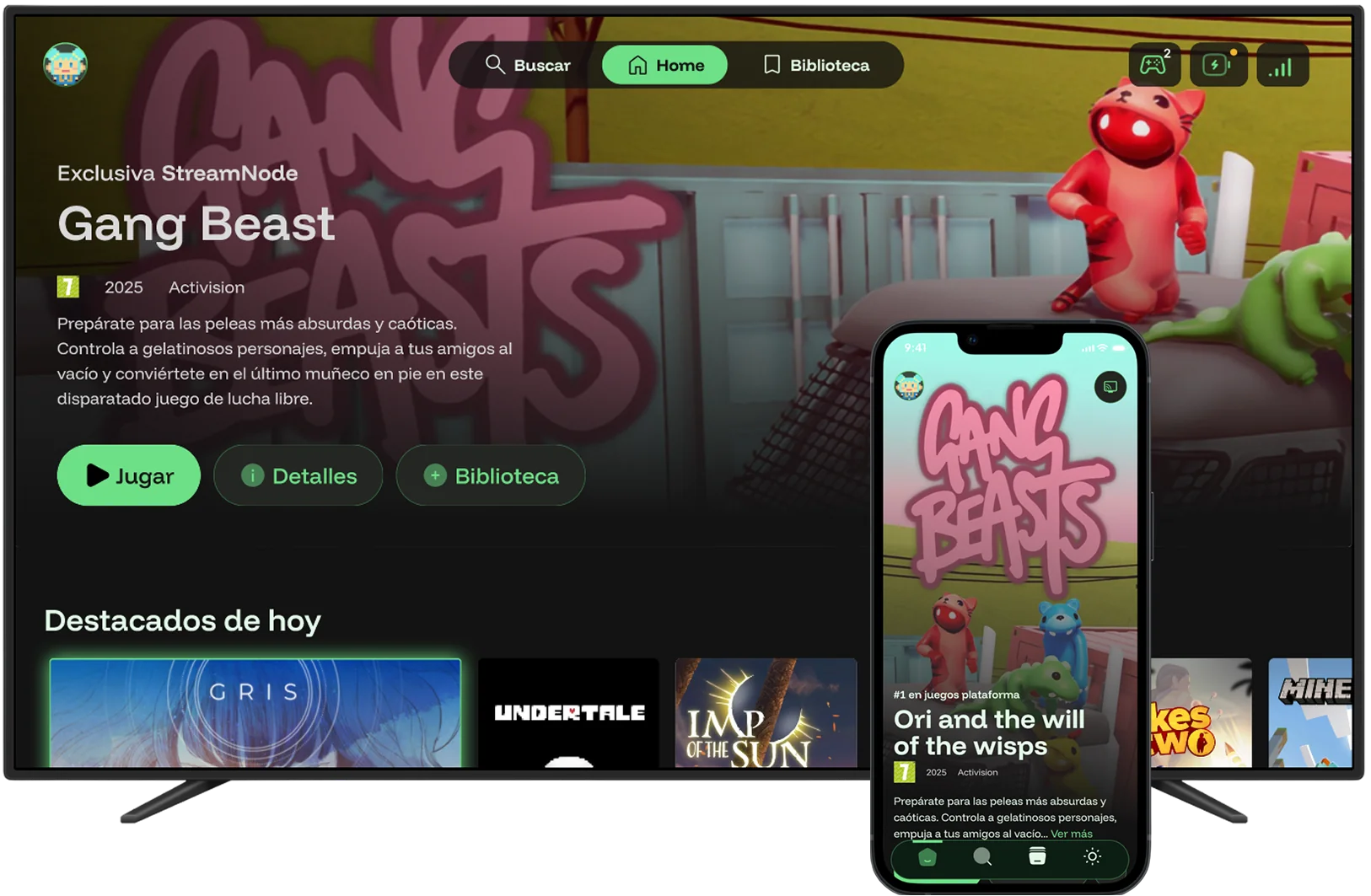
A TV. A phone. A decent internet connection. StreamNode is a game streaming platform where your phone becomes the controller. No console. No extra hardware. No annual commitment. You scan a QR code and you're playing. The "how" behind the product is one sentence: by not needing more than what we already have.
Stadia tried this and failed because it charged a monthly subscription and made users buy individual games on top. High commitment, unclear value, wrong model. StreamNode does the opposite. You pay from €1 and never more than €20 a month. Once you hit the cap, you keep playing for free. Light users pay almost nothing. Heavy users never get surprised by the bill. No game purchases. No proprietary hardware. No annual contracts. That's not just a pricing decision. It's a trust decision. When every platform is raising prices, a €20 ceiling is a statement.
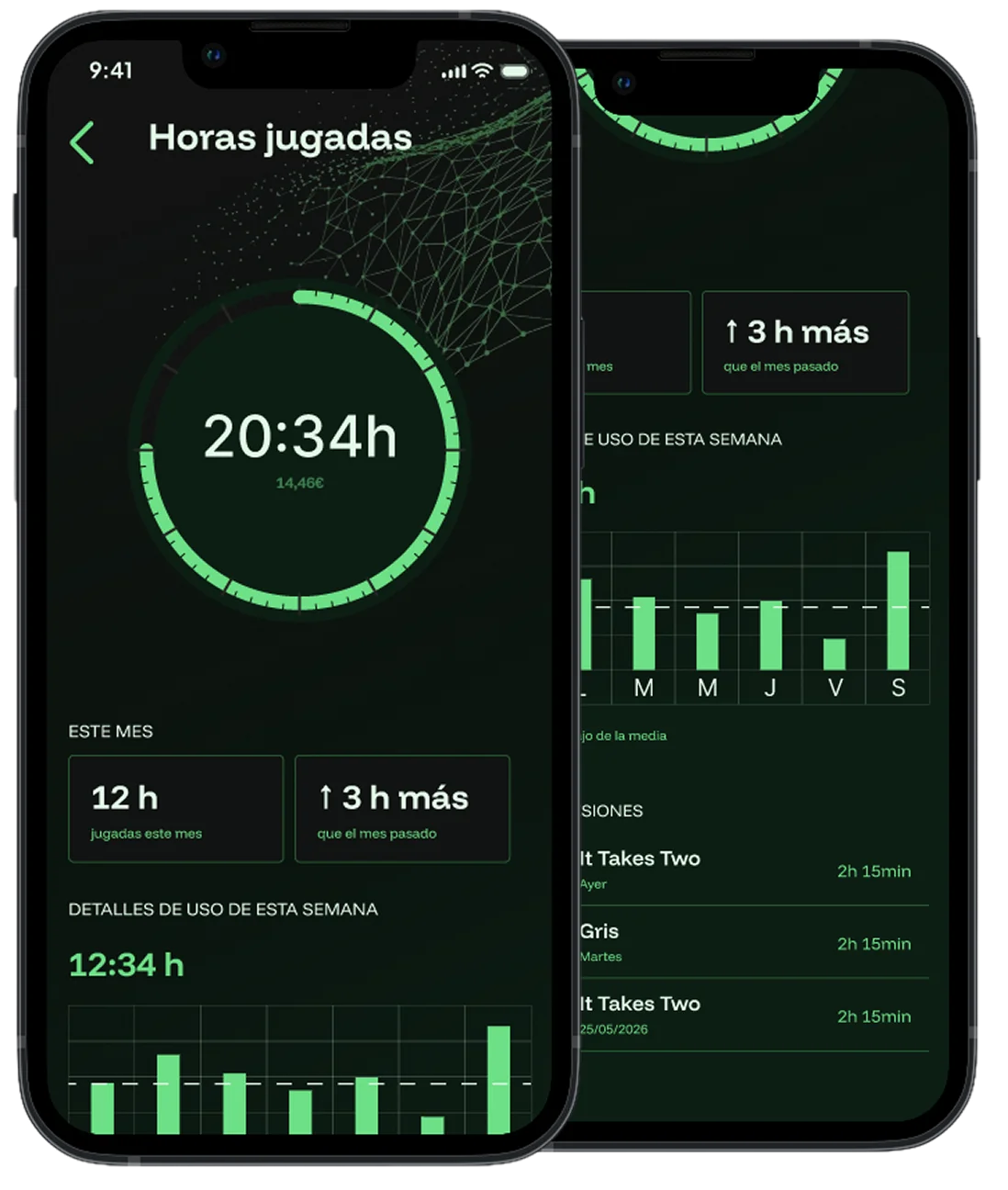
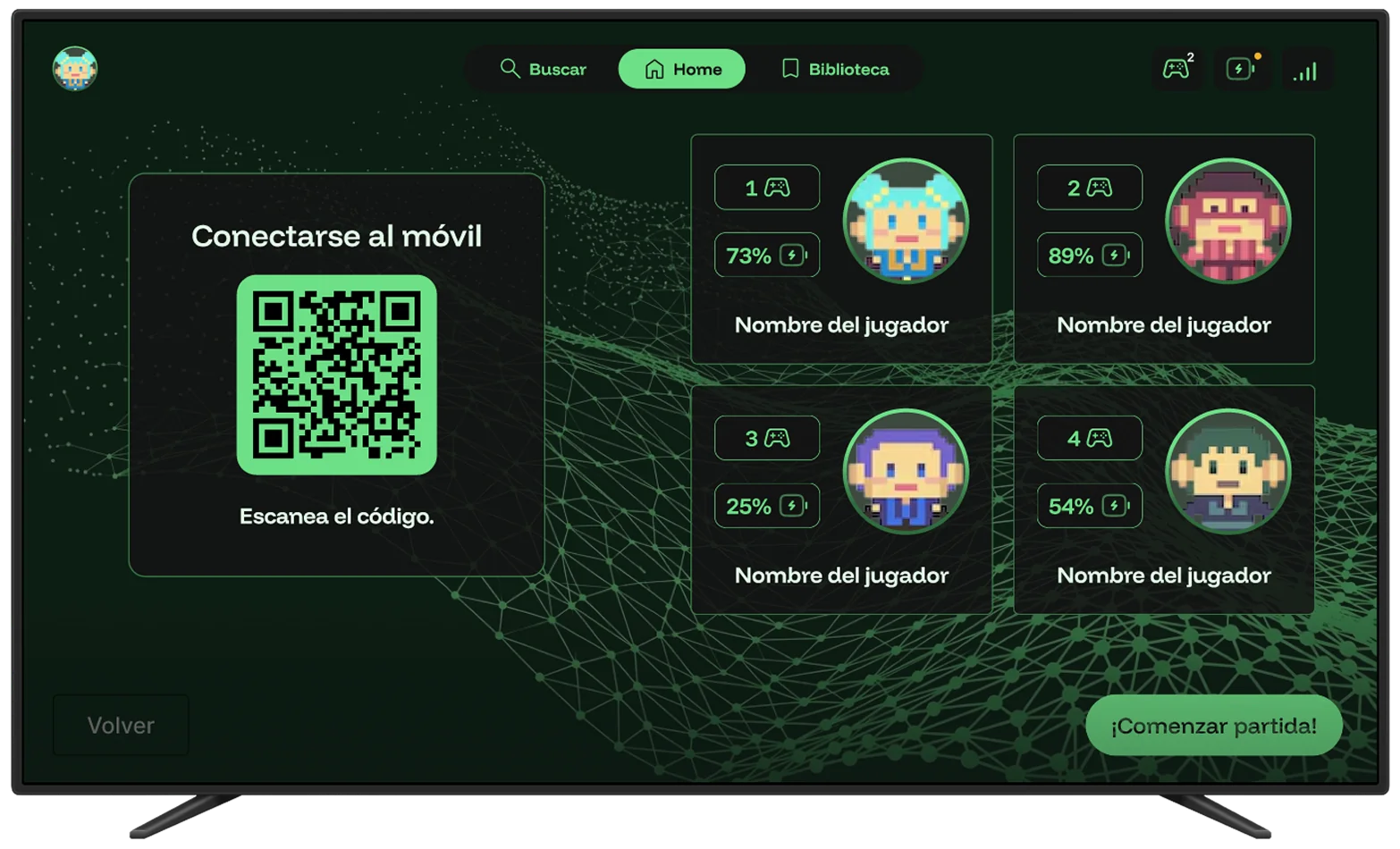
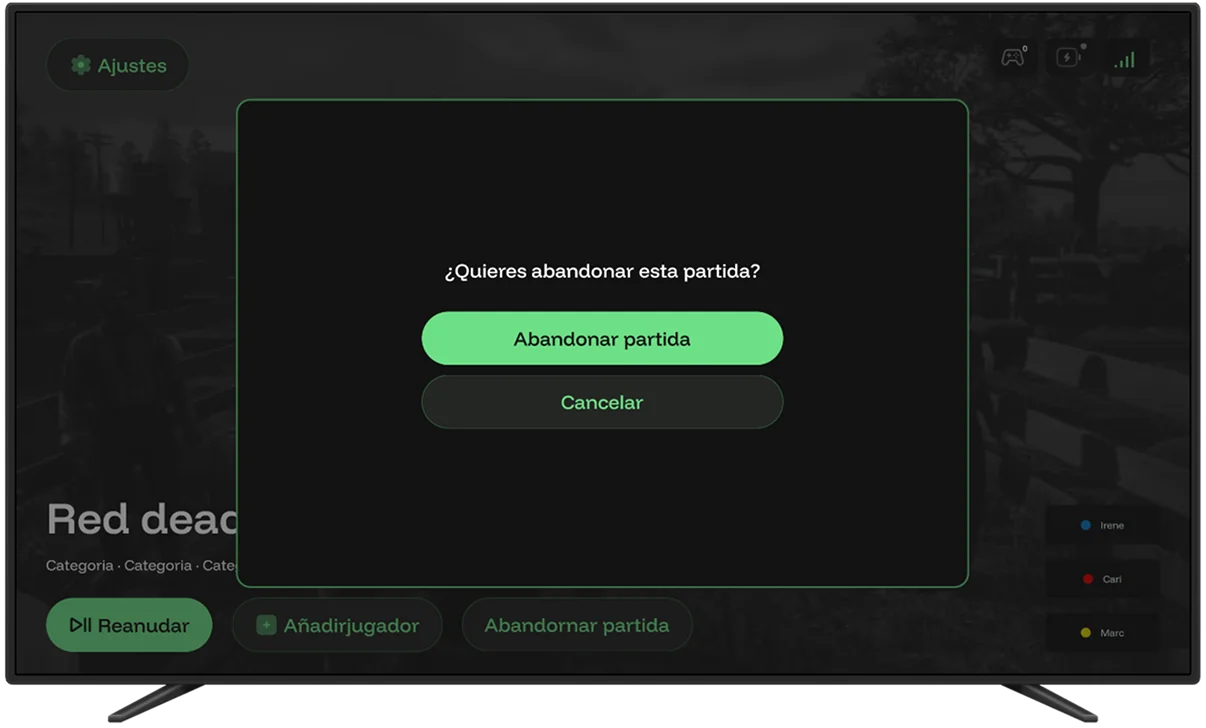
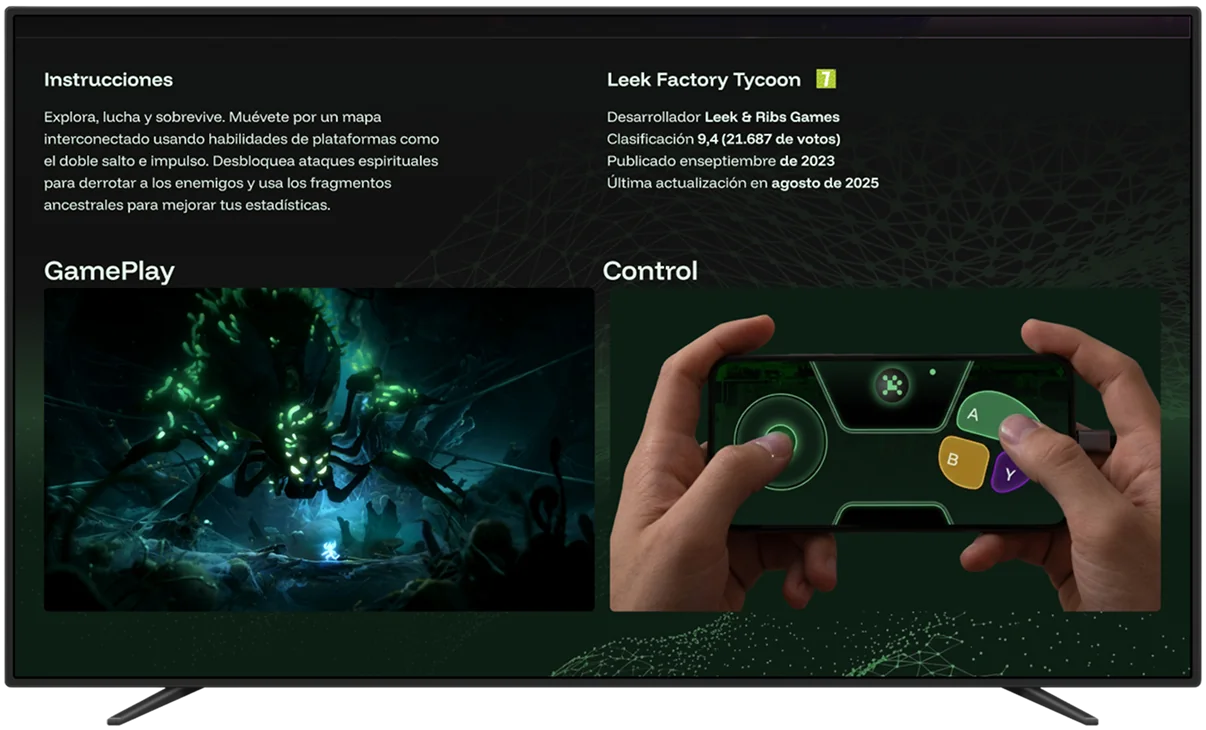
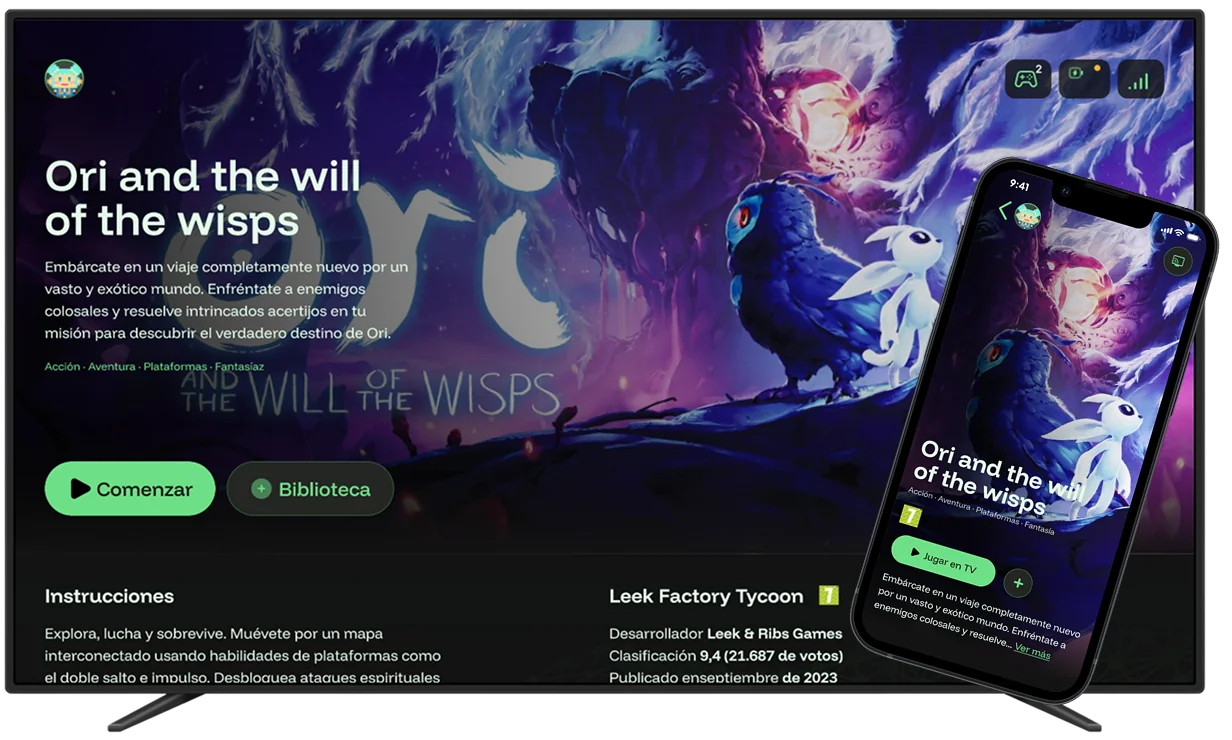
When you sit down to play, you open StreamNode on your TV, you select a game. The TV shows a QR code. You scan it with your phone and your phone becomes the controller. That's it. One step. No pairing. No Bluetooth setup. No app download in the middle of a session. The friction is minimal because the only action you add is one you already know how to do. The product lives on two surfaces with two completely different interaction models. The TV app is for browsing, selecting, and discovering games. Each surface does one thing well instead of both trying to do everything.
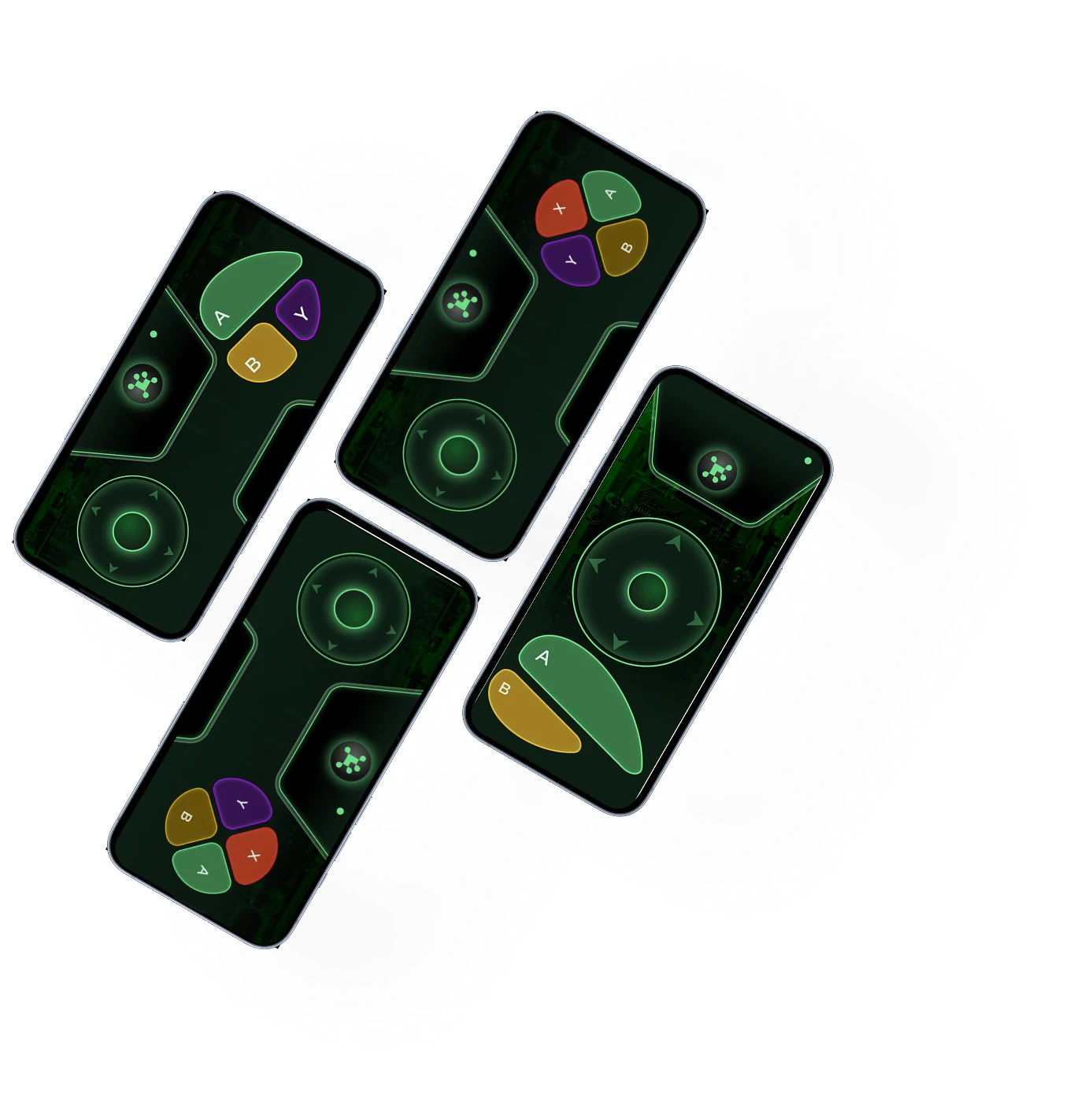
This is an academic project built on a hypothesis, not production data. The design decisions are intentional but they need testing. These are the questions that matter most: Q: Are touch controls on a phone good enough for the game genres StreamNode offers? Joystick and button games work differently on a touchscreen than on physical hardware. The design assumes players adapt. That assumption needs a usability test. Q: Does the QR scan feel natural mid-session? The flow works on paper. Whether it works under the cognitive load of sitting down to play with friends is something only real users can answer. Q: Does the €20 cap actually reduce commitment anxiety enough to convert users who wouldn't otherwise try a streaming platform? The model is the bet. An A/B test against a flat subscription would answer it.
StreamNode is a case where the product logic is clean and the design follows from it. The insight (use what people already have) solves a real problem (too much hardware, too much commitment) in a way that's both technically feasible and commercially differentiated. The gap is validation. Building the hypothesis into a working prototype is one thing. Knowing whether users actually feel that friction disappear when they scan the QR code is another. That's the next step this project needs.